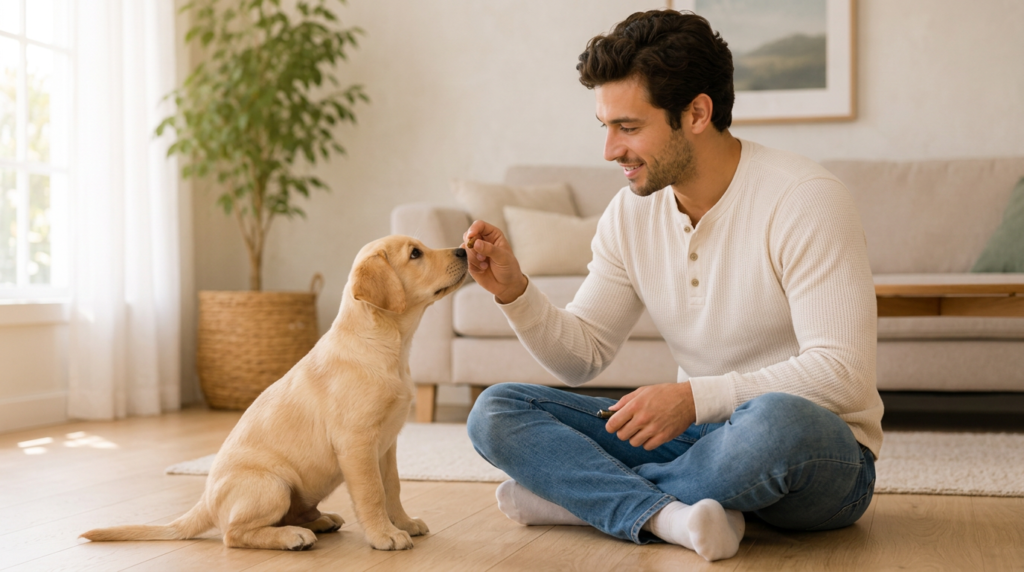
Same walk, same dog, every Saturday morning.
Small as that is, it’s exactly the kind of repeated moment kids grow up remembering — a family tradition, whether you ever called it one or not.
Why small, repeated moments tend to matter more
Kids in particular tend to hold onto these small, recurring moments more than the occasional bigger ones. A weekly Saturday morning walk that’s “just for” one kid and the dog, repeated consistently over years, often becomes a more significant shared memory than an occasional elaborate outing, precisely because of its reliability and repetition.
A Little Support for Every Stage
Helpful checklists, guides, and resources to make each stage a little easier.
Giving your dog a recognized place in the family calendar
This is also a natural, low-pressure way to mark a dog’s milestones alongside a family’s other markers — birthdays, holidays, the start of school — giving the dog a recognized place in the family’s actual rhythm and calendar, not just an incidental presence in the background of other traditions.
Individual traditions alongside shared ones
For a family with multiple kids, individual traditions with a specific dog — one child’s particular bedtime routine that includes the dog, another’s specific weekend task — can coexist alongside shared family ones, giving each relationship its own recognized rituals rather than only ever functioning as part of the group.
None of this requires planning from scratch. Often the easiest starting point is simply noticing which small, already-occurring routine could be named and repeated deliberately, rather than inventing something entirely new.
Where this lands: family traditions around a dog tend to build themselves out of small, already-happening routines — noticing and deliberately continuing them is often more effective than trying to create something new and elaborate from nothing.
These small rituals take on new weight once a dog starts slowing down. Here’s how to talk with kids about that honestly, before it’s the only thing on your mind.
Some of the best traditions show up first in the ordinary, unposed moments — here’s why the messy family photo is usually the one worth keeping. And those same repeated routines are one of the more effective, low-key ways kids build real empathy — here’s how that happens over years, not a single lesson.